Monday, 12 March 2018

Sunday, 25 September 2016
Friday, 29 July 2016
Protect Your Facebook Account From Hackers 2015
Protect Your Facebook Account From Hackers 2015
If you Google “how to” the first or second result usually is “how to hack Facebook”. This instant search result tell us that, apparently many people wants to know how Facebook can be hacked.

There are many ways to hack Facebook account. Some uses phishing attack, some take a help of keylogger while the rest uses common password. However it goes without saying, ‘How important it’s to secure your Facebook account’.
Every Facebook account store so much personal information, that would cause disaster, if the went public. Therefore here are some simple steps will keep your Facebook account secure.
1. Enable email/sms notification
This is a great way to protect your Facebook account from hackers, if you suspect suspicious activity on your account. To get it done follow the simple steps
1. Just go to Settings > Security> Login Alerts >Edit > Enter the details and save changes
2. Now you will get SMS/Email, each you or someone else login to Facebook account.
2. Now you will get SMS/Email, each you or someone else login to Facebook account.

2. Enable Secure Browsing
This is must for every Facebook user. Follow the steps
- Go to Account Setting
- Choose Security tab
- Click on Secure Browsing tab, as shown above
From now on you would notice https://www.facebook.com/ instead of http://www.facebook.com/

3. Security Question
Set up a good security question, which is not easy to guess. Not even your close friend can guess it.
What bad guys do is, They change your security question and then when they have to login they click on forget password link and by using security question they can login to your Facebook account without even knowing your password.
4. Close Active Sessions
Even if you close your browser without logging out of Facebook account . you are still consider to be logged in that device. I don’t know how but remote hackers can gain access to this and hacked your account very easily . So it’s always advisable to close you active session on the device if you are not planning to login for the long time from the same device.
Go to the security and look for Active Sessions option.

5. Check For The Url

Check for the url in the address bar and login only if it says www.facebook.com. Often hackers use fake login page (phishing) and when you login through that page, your password and username is automatically redirected to them.
6. Password
Pick a unique, strong password. Change your Facebook password as often as possible, especially if you find any suspicious activity on your wall and don’t give your username and password to anyone, not even your friends.
Don’t share you password not even with your close friends, colleagues and family member.
7. Use Private browser
If you are logging anywhere else then you home computer than it’s better to open it in private browsing only. It won’t store your username and password or any other information and you don’t have to worry about sign out , you can just close the window.
Check this guide on how to enable private browsing in different browser.
8. Stay Updated
Don’t add people who you don’t know especially if it seems to be a fake profile. They are mostly spammers or hackers who can retrieve your personal information .
Don’t trust every third party Facebook applications some of them might be spams .Use only those which are very popular and can be trusted.
For more info read Facebook security page.
What to do if your Facebook account got hacked?
First thing to do is check if you can login with password , if yes then change your password immediately and then delete all the post and messages that was post on your behalf and then setup more secure settings like one shown above.
In case you are not able to login with your old username and password then report abuse that profile , just ask your friends to do that for you, more people report abuse faster that profile will be deleted.
Report to Facebook if your account was hacked to www.facebook.com/hacked/
Always add a secondary email id to your Facebook account , in case you don’t have access to your account , Facebook will send you recovery password there.

Thursday, 28 July 2016
4 Ways to Crack a Facebook Password & How to Protect Yourself from Them
We use Facebook as a tool to connect, but there are those people who use that connectivity for malicious purposes. We reveal what others can use against us. They know when we're not home and for how long we're gone. They know the answers to our security questions. People can practically steal our identities—and that's just with the visible information we purposely give away through our public Facebook profile.
The scariest part is that as we get more comfortable with advances in technology, we actually become more susceptible to hacking. As if we haven't already done enough to aid hackers in their quest for our data by sharing publicly, those in the know can get into our emails and Facebook accounts to steal every other part of our lives that we intended to keep away from prying eyes.
In fact, you don't even have to be a professional hacker to get into someone's Facebook account.
It can be as easy as running Firesheep on your computer for a few minutes. In fact, Facebook actually allows people to get into someone else's Facebook account without knowing their password. All you have to do is choose three friends to send a code to. You type in the three codes, and voilà—you're into the account. It's as easy as that.
In this article I'll show you these, and a couple other ways that hackers (and even regular folks) can hack into someone's Facebook account. But don't worry, I'll also show you how to prevent it from happening to you.
Method 1Reset the Password
The easiest way to "hack" into someone's Facebook is through resetting the password. This could be easier done by people who are friends with the person they're trying to hack.
- The first step would be to get your friend's Facebook email login. If you don't already know it, try looking on their Facebook page in the Contact Info section.
- Next, click on Forgotten your password? and type in the victim's email. Their account should come up. Click This is my account.
- It will ask if you would like to reset the password via the victim's emails. This doesn't help, so press No longer have access to these?
- It will now ask How can we reach you? Type in an email that you have that also isn't linked to any other Facebook account.
- It will now ask you a question. If you're close friends with the victim, that's great. If you don't know too much about them, make an educated guess. If you figure it out, you can change the password. Now you have to wait 24 hours to login to their account.
- If you don't figure out the question, you can click on Recover your account with help from friends. This allows you to choose between three and five friends.
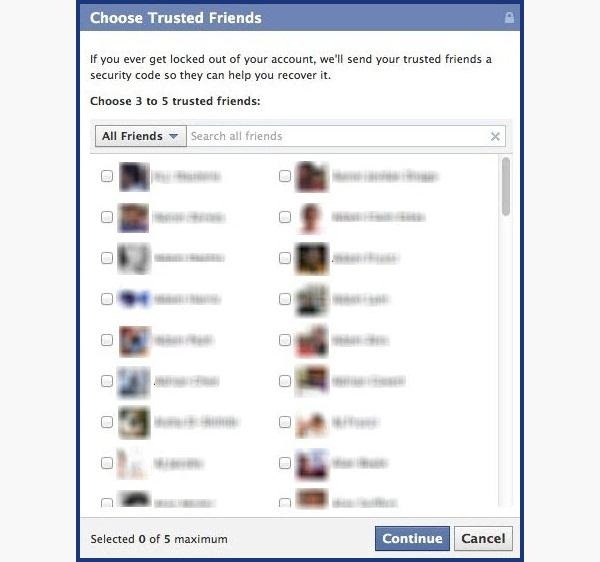
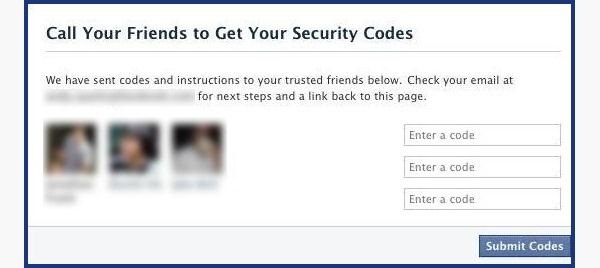
- It will send them passwords, which you may ask them for, and then type into the next page. You can either create three to five fake Facebook accounts and add your friend (especially if they just add anyone), or you can choose three to five close friends of yours that would be willing to give you the password.
How to Protect Yourself
- Use an email address specifically for your Facebook and don't put that email address on your profile.
- When choosing a security question and answer, make it difficult. Make it so that no one can figure it out by simply going through your Facebook. No pet names, no anniversaries—not even third grade teacher's names. It's as easy as looking through a yearbook.
- Learn about recovering your account from friends. You can select the three friends you want the password sent to. That way you can protect yourself from a friend and other mutual friends ganging up on you to get into your account.
Method 2Use a Keylogger
Software Keylogger
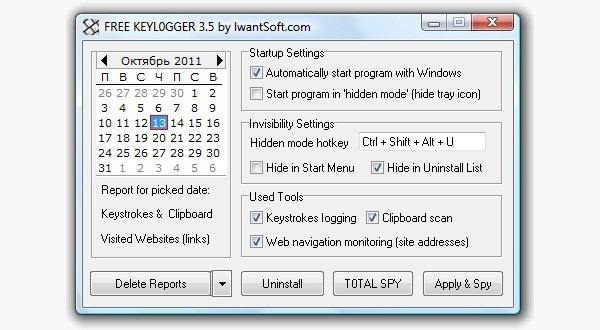
A software keylogger is a program that can record each stroke on the keyboard that the user makes, most often without their knowledge. The software has to be downloaded manually on the victim's computer. It will automatically start capturing keystrokes as soon as the computer is turned on and remain undetected in the background. The software can be programmed to send you a summary of all the keystrokes via email.
CNET has Free Keylogger, which as the title suggests, is free. If this isn't what you're looking for, you can search for other free keyloggers or pay for one.
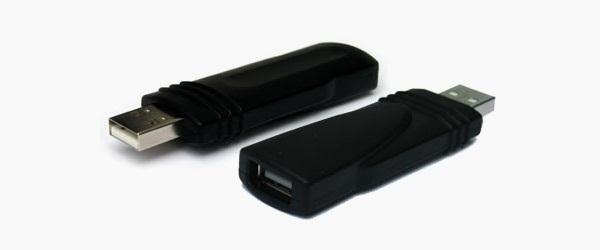
Hardware Keylogger
These work the same way as the software keylogger, except that a USB drive with the software needs to be connected to the victim's computer. The USB drive will save a summary of the keystrokes, so it's as simple as plugging it to your own computer and extracting the data. You can look through Keelog for prices, but it's bit higher than buying the software since you have the buy the USB drive with the program already on it.
How to Protect Yourself
- Use a firewall. Keyloggers usually send information through the internet, so a firewall will monitor your computer's online activity and sniff out anything suspicious.
- Install a password manager. Keyloggers can't steal what you don't type. Password mangers automatically fill out important forms without you having to type anything in.
- Update your software. Once a company knows of any exploits in their software, they work on an update. Stay behind and you could be susceptible.
- Change passwords. If you still don't feel protected, you can change your password bi-weekly. It may seem drastic, but it renders any information a hacker stole useless.
Method 3Phishing
This option is much more difficult than the rest, but it is also the most common method to hack someone's account. The most popular type of phishing involvescreating a fake login page. The page can be sent via email to your victim and will look exactly like the Facebook login page. If the victim logs in, the information will be sent to you instead of to Facebook. This process is difficult because you will need to create a web hosting account and a fake login page.
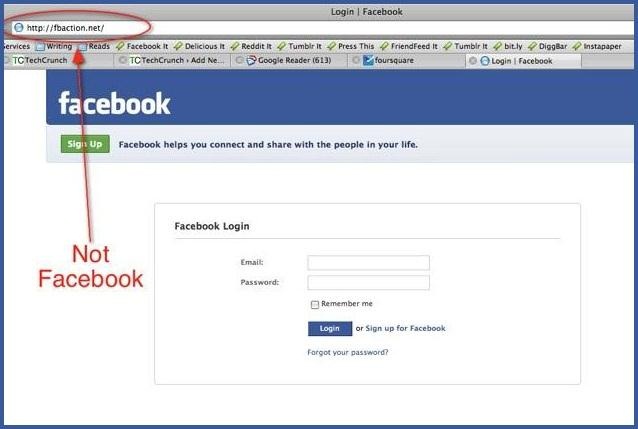
The easiest way to do this would be to follow our guide on how to clone a websiteto make an exact copy of the facebook login page. Then you'll just need to tweak the submit form to copy / store / email the login details a victim enters. If you need help with the exact steps, there are detailed instructions available by Alex Long here on Null Byte. Users are very careful now with logging into Facebook through other links, though, and email phishing filters are getting better every day, so that only adds to this already difficult process. But, it's still possible, especially if you clone the entire Facebook website.
How to Protect Yourself
- Don't click on links through email. If an email tells you to login to Facebook through a link, be wary. First check the URL (Here's a great guide on what to look out for). If you're still doubtful, go directly to the main website and login the way you usually do.
- Phishing isn't only done through email. It can be any link on any website / chat room / text message / etc. Even ads that pop up can be malicious. Don't click on any sketchy looking links that ask for your information.
- Use anti-virus & web security software, like Norton or McAfee.
Method 4Stealing Cookies
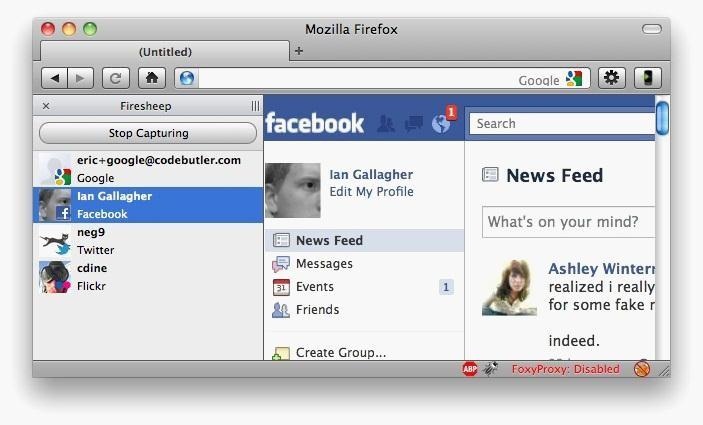
Cookies allow a website to store information on a user's hard drive and later retrieve it. These cookies contain important information used to track a session that a hacker can sniff out and steal if they are on the same Wi-Fi network as the victim. They don't actually get the login passwords, but they can still access the victim's account by cloning the cookies, tricking Facebook into thinking the hacker's browser is already authenticated.

Firesheep is a Firefox add-on that sniffs web traffic on an open Wi-Fi connection. It collects the cookies and stores them in a tab on the side of the browser.
From there, the hacker can click on the saved cookies and access the victim's account, as long as the victim is still logged in. Once the victim logs out, it is impossible for the hacker to access the account.
A Couple More Facebook Hacks
For those with a bit more technical skill, check out the Same Origin Policy Facebook hack and the somewhat easier, Facebook Password Extractor. We will continue add more Facebook hacks in the near future, so keep coming back here.
How to Protect Yourself
- On Facebook, go to your Account Settings and check under Security. Make sure Secure Browsing is enabled. Firesheep can't sniff out cookies over encrypted connections like HTTPS, so try to steer away from HTTP.
- Full time SSL. Use Firefox add-ons such as HTTPS-Everywhere or Force-TLS.
- Log off a website when you're done. Firesheep can't stay logged in to your account if you log off.
- Use only trustworthy Wi-Fi networks. A hacker can be sitting across from you at Starbucks and looking through your email without you knowing it.
- Use a VPN. These protect against any sidejacking from the same WiFi network, no matter what website you're on as all your network traffic will be encrypted all the way to your VPN provider.
Subscribe to:
Posts (Atom)